In Vancouver, a city where vitality and wellness are prized, many of my patients share a common concern: the mirror reflecting an appearance that no longer matches their inner energy. We live longer and healthier lives than ever before, maintaining our minds and bodies through diet and exercise, but sometimes the outward signs of ageing start to feel like a discrepancy.
The desire to address these visible changes is natural, but the path to facial rejuvenation can feel overwhelming. Many fear the thought of looking “done,” unnatural, or having a prolonged recovery that disrupts their busy life. We will demystify the most effective modern approach to turning back the clock: combining surgical precision with non-surgical refinement. This synergy allows us to address the deep, structural causes of ageing while perfecting the surface details, ensuring you achieve a balanced, youthful, and, above all, natural-looking facial harmony that lasts for years to come.
The Universal Challenge of Facial Ageing: Understanding Patient Concerns
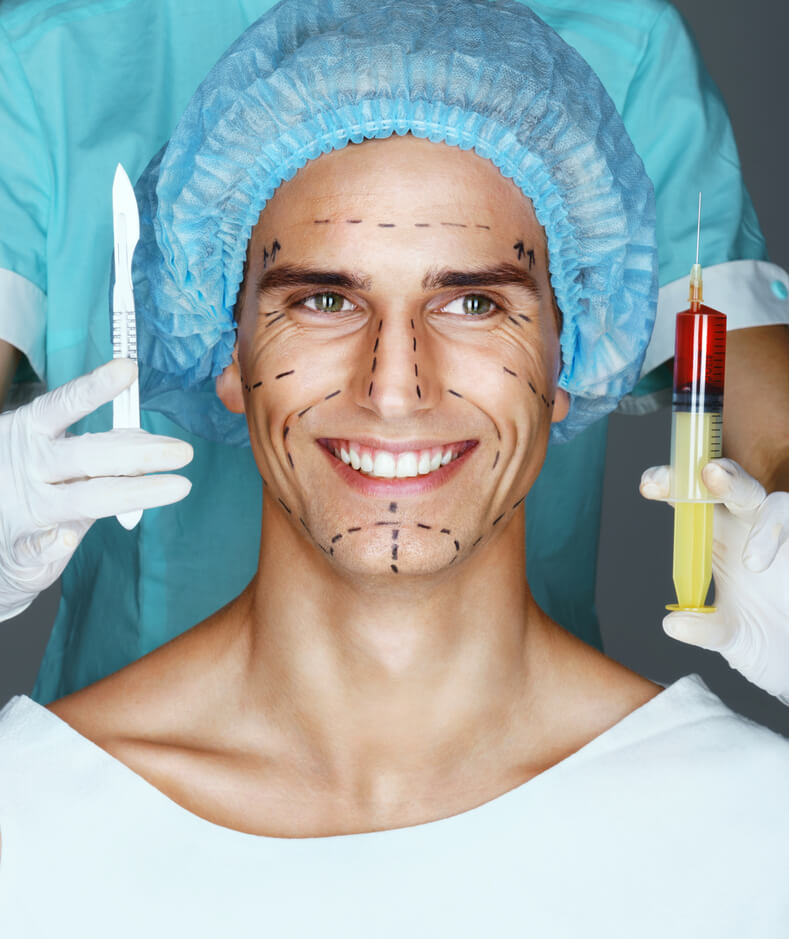
The decision to seek facial plastic surgery stems from specific aesthetic and emotional concerns that traditional skincare routines simply cannot solve. Dr Denton’s patients often express feelings related to:
A Tired, Sad, or Angry Appearance
Changes like drooping skin, bulging fat around the eyes, and sagging brows can unintentionally convey an expression of permanent fatigue, sadness, or anger, regardless of how rested or happy a person feels inside.
Loss of Defined Contours
As time passes, volume loss in the mid-face and the inexorable pull of gravity lead to tissue descent and sagging. This results in loose skin, the formation of jowls along the jawline, and deepening folds around the mouth and nose (nasolabial folds). This loss of definition can significantly impact self-image.
The Fear of Unnatural Results
The outdated “wind tunnel look” of early facelift procedures haunts many prospective patients. Modern patients in Vancouver prioritise looking refreshed, not transformed, seeking subtle enhancements that respect their unique features.
The Need for Speedy Recovery
Maintaining an active professional and social life means minimising time away from daily activities. Patients worry about lengthy downtime, bruising, and visible signs of surgery.
Competitiveness and Confidence
Especially for men, looking younger, rested, and vital can be a factor in feeling more confident and competitive, particularly in their careers.
These fundamental issues require a multi-layered approach, addressing both the foundational structure beneath the skin (which surgery handles) and the superficial texture and dynamic wrinkles (which non-surgical treatments can perfect).
The Synergistic Power of Combination Treatments
Facial ageing is complex, affecting the bony structure, deep tissues, fat distribution, and surface skin quality simultaneously. Therefore, relying on a single treatment, whether surgical or non-surgical, often falls short of delivering truly comprehensive and lasting harmony.
The synergy of combining treatments works because surgical procedures address the core structural issues, establishing a solid foundation for rejuvenation, while non-surgical methods refine surface concerns and dynamic wrinkles:
Surgical Intervention for Foundation
Procedures like facelifts, brow lifts, and blepharoplasty physically lift and tighten descended muscles and excess skin, redefining the jawline, neck, and eye area. This achieves results impossible to reach with injections alone.
Non-Surgical Refinement for Detail
Once the structure is addressed, minimally invasive treatments such as Botox™ and dermal fillers can smooth dynamic wrinkles and restore subtle volume that complements the surgical lift, creating a polished and coherent outcome.
When combining procedures, such as integrating a neck lift with a lower facelift, we maximize the degree of overall rejuvenation while minimizing the total cumulative recovery time, cost, and inconvenience of having multiple separate procedures down the road.
Surgical Foundations for Long-Term Rejuvenation
Dr Denton’s approach often begins by establishing a rejuvenated foundation using specialized surgical techniques designed for natural, long-lasting results.
Advanced Facelift Techniques for Structural Support
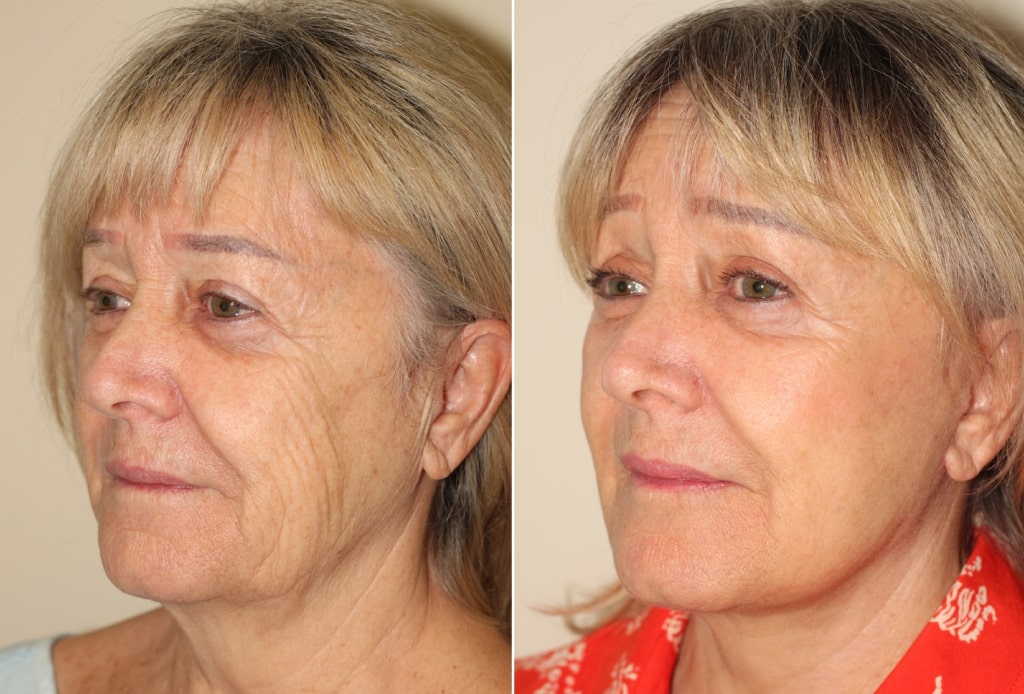
Modern facelift surgery, specifically the deep plane or SMAS (superficial musculoaponeurotic system) facelift, goes beyond merely tightening skin. By manipulating this deeper layer of tissue, which includes muscle and fat, we can reposition structures that have descended with age. This is key to achieving dramatic improvements in the jawline, neck, and jowls, avoiding the old “windswept” or stiff look associated with superficial skin-only procedures.
Deep Plane/SMAS Facelift
Addresses comprehensive signs of ageing, offering results that can last seven to ten years or longer. It provides comprehensive rejuvenation of wrinkles, sagging, folds, and fatty deposits.
Mini or Partial Facelift
For patients with mild to moderate signs of ageing, a mini facelift may be the answer. This procedure concentrates primarily on the lower face and mild neck laxity; these less invasive options focus on sagging jowls and jawline definition, allowing for a shorter recovery period.
Restoring Alertness with Eyelid and Brow Surgery
The eyes are often the first area to show signs of fatigue.
Blepharoplasty (Eyelid Lift)
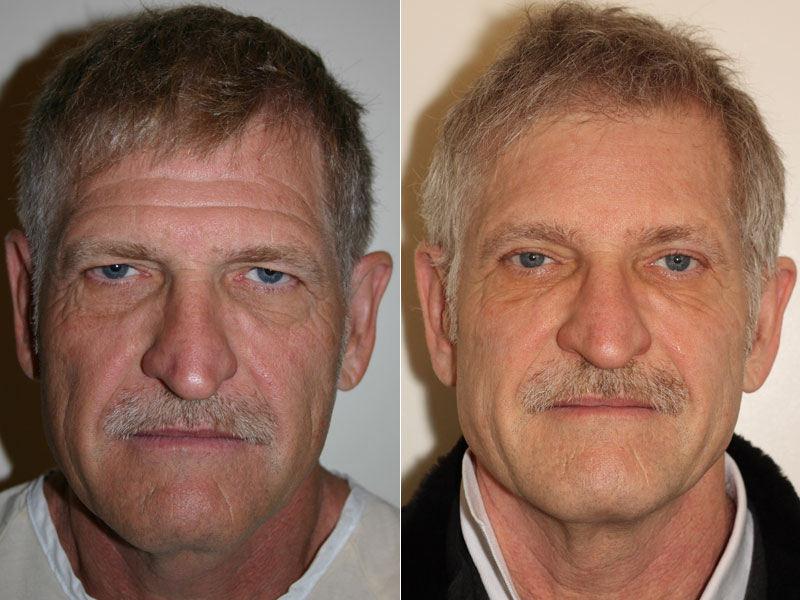
This procedure corrects age-related changes such as drooping skin, fat bulging, and muscle thickening around the upper and lower eyelids, giving the eyes a more alert and rested appearance. For Asian patients, specialized techniques (Asian Blepharoplasty) create or refine a natural upper lid crease while maintaining ethnic identity.
Brow Lift/Forehead Lift
Addressing wrinkles across the forehead and drooping eyebrows returns the brows to a more youthful position, eliminating a tired, sad, or angry appearance and helping to remove lateral eyelid “hooding”. Brow lifts are often combined with eyelid surgery for excellent, synergistic results.
Facial Contouring with Implants and Liposuction
Achieving facial harmony also requires balancing the proportions of the central features.
Chin and Cheek Implants
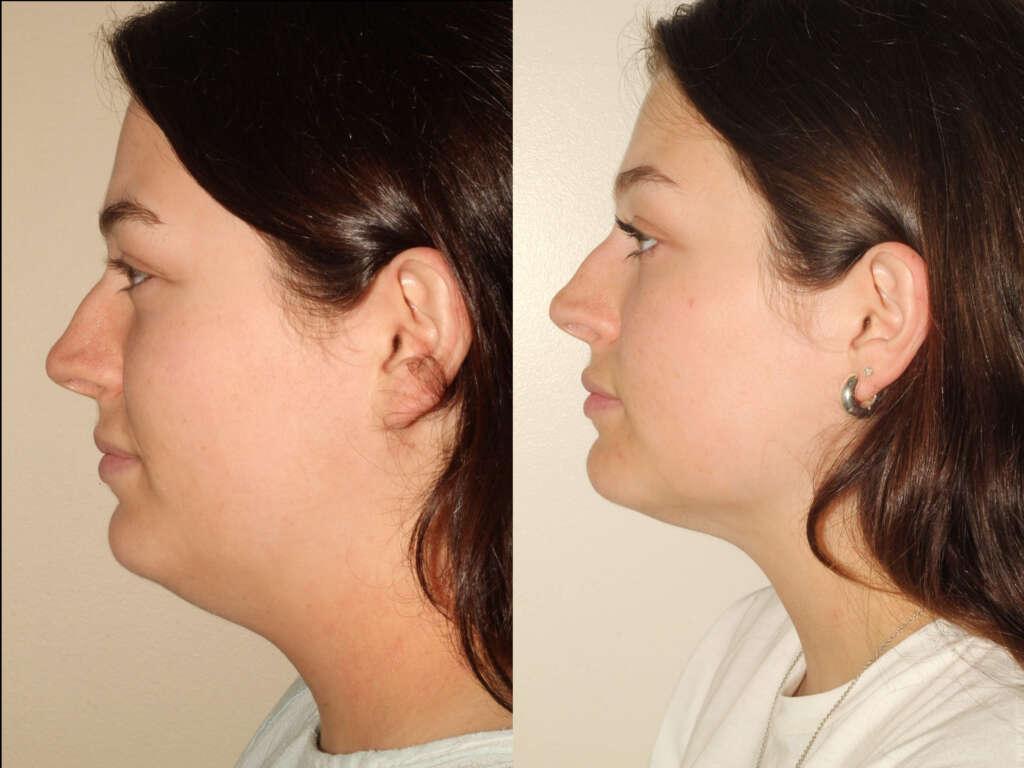
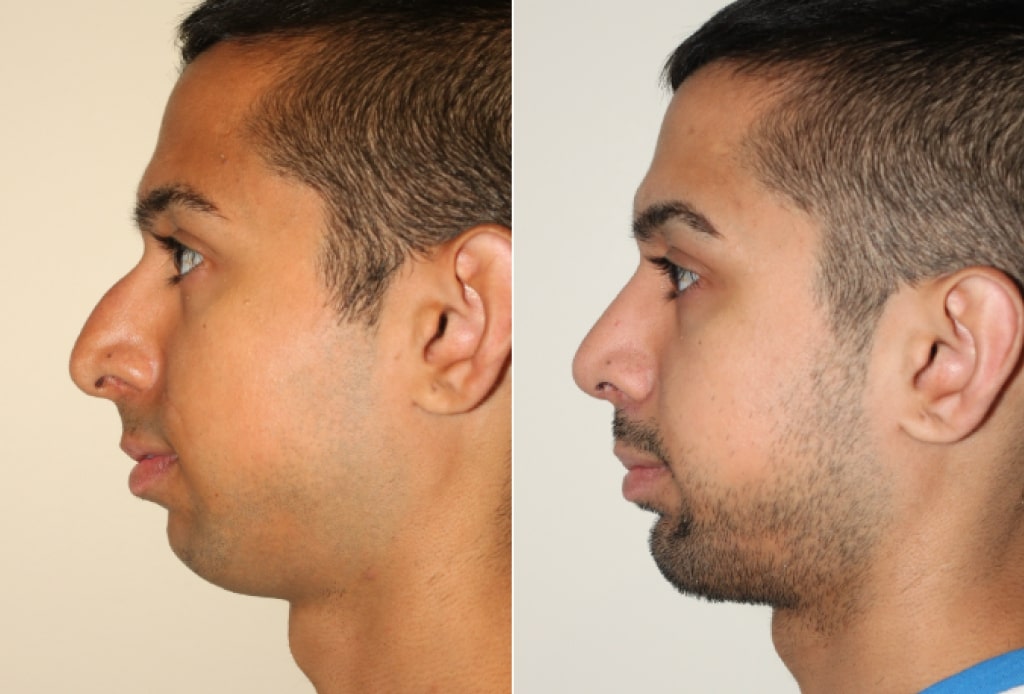
These permanent facial implants, made from biocompatible materials, help restore or enhance projection and definition. A small chin, for instance, can make the nose appear more prominent; augmentation creates better facial balance and improves jawline definition. Chin implants are frequently performed alongside rhinoplasty or facial liposuction for superior results.
Facial Liposuction
Facial liposuction is a minimally invasive procedure that uses tiny cannulas to safely remove stubborn, localised fat deposits that don’t respond to diet or exercise, typically found under the chin, jawline, and neck (the “double chin” area). When combined with procedures like a facelift or chin implant, it dramatically refines the profile.
Minimally Invasive Techniques: Dr Denton’s Approach to Speedy Recovery
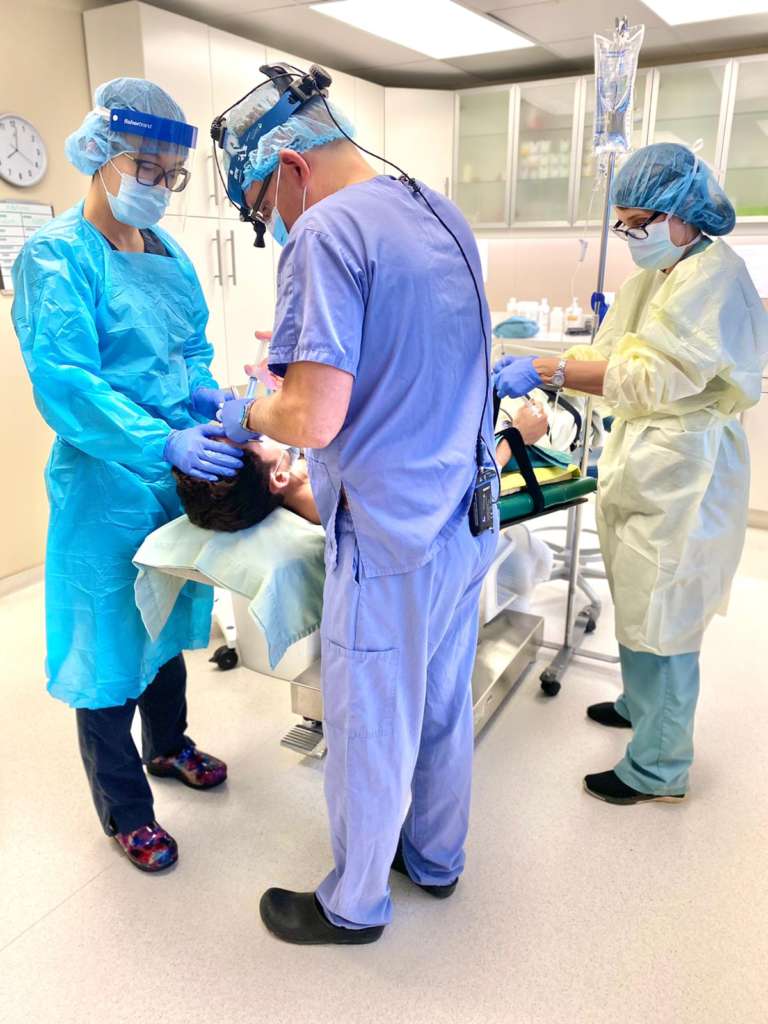
At his Vancouver facial plastic surgery clinic, he utilises modern surgical techniques specifically chosen to maximize results while minimizing recovery time and invasiveness. This commitment ensures patients can quickly and comfortably return to their normal routines.
Minimizing Incisions
For procedures like mini-facelifts, incisions are smaller and hidden within natural creases around the ears, resulting in less scarring. In many lower eyelid surgeries, incisions are even made inside the eyelid (transconjunctival approach) to avoid any external scarring whatsoever. For brow lifts, modern methods utilize endoscopic telescopes to minimize incisions.
Twilight Anaesthesia (Procedural Sedation)
Dr Denton frequently uses twilight anaesthesia (local anaesthetic combined with sedatives administered intravenously) rather than general anaesthesia for many procedures, including facelifts, otoplasty, and rhinoplasty. This approach enhances patient comfort, reduces the risks associated with general anaesthesia, and avoids side effects like blood vessel dilation, which can lead to increased bruising and swelling, ultimately accelerating the recovery process.
Faster Return to Activity
Most patients undergoing facial liposuction are back at work within 3 to 7 days. For eyelid surgery or a mini facelift, patients generally resume normal activities within one week. Even for a deep plane facelift, patients are often ready to return to work within 10 to 21 days.
Non-Surgical Enhancements: Perfecting the Details
Once a strong foundation is established through surgery, non-surgical treatments provide the finishing touches, smoothing dynamic lines and restoring lost volume that contributes to a youthful, replenished look. These often function as a crucial maintenance element to prolong surgical results.
Botox™ for Dynamic Wrinkles
Botox (botulinum toxin) is a highly sought-after, non-surgical treatment that temporarily relaxes the muscles responsible for dynamic wrinkles – lines caused by repetitive facial movements like smiling, frowning, or squinting.
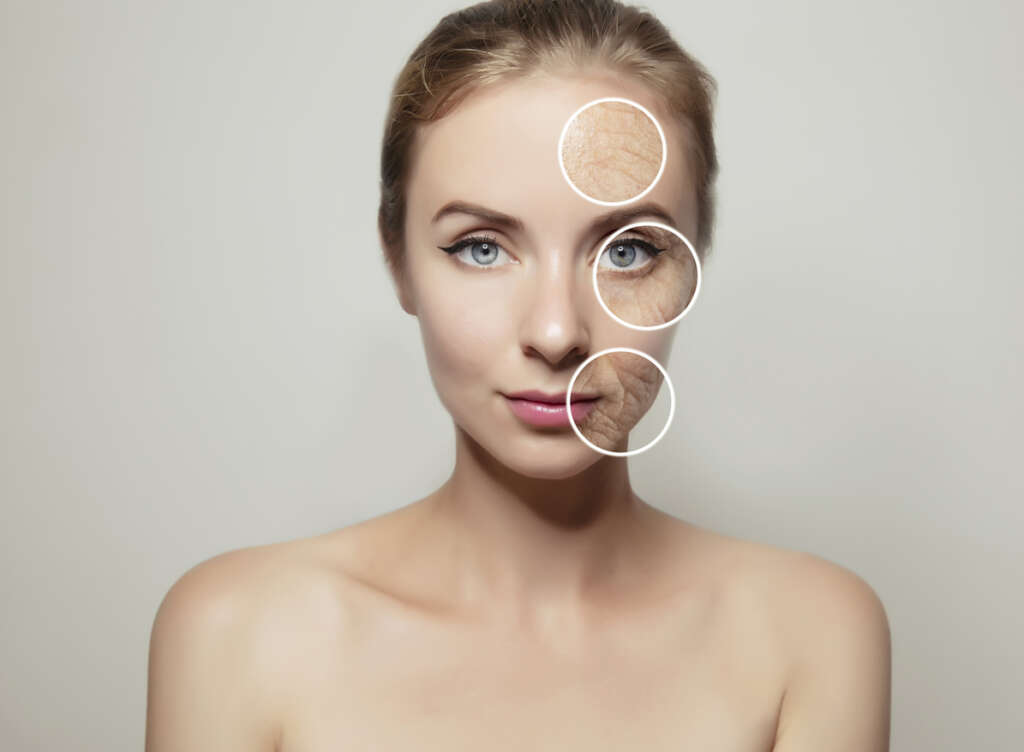
- Targeted Areas: It is extremely effective for smoothing forehead lines, frown lines (between the eyebrows), and crow’s feet (around the eyes).
- Benefits: Botox is minimally invasive, quick, safe, effective, and requires little to no downtime, making it a popular “lunch hour” procedure.
- Longevity: Results typically develop over three to four days and last approximately three to four months, requiring regular touch-up appointments to maintain the smooth appearance.
Dermal Fillers for Volume and Contour
Dermal fillers, often composed of hyaluronic acid (HA), are used to restore volume lost due to ageing, smooth deep wrinkles, and enhance contours.
- The “Liquid Facelift”: Fillers are the primary tool used for non-surgical facelifts, lifting cheeks and filling hollow areas to create a fresher appearance without surgery.
- Targeted Augmentation: We strategically use fillers for:
- Cheek Augmentation: Applied often in combination with tear trough fillers to create lateral facial contours and brighten the eyes.
- Tear Trough Fillers: Used carefully to minimize dark circles and under-eye hollows that make a person look perpetually tired.
- Jawline Contouring: Used to tighten, reshape, and define the jawline, creating a more balanced profile.
- Other Uses: Fillers can also treat deep smile lines, plump lips, soften vertical upper lip lines, and even treat areas like the earlobes, horizontal neck lines, and hands.
- Longevity: Depending on the area and type of filler used, results can last between six and eighteen months.
Facial Harmony in Focus: Tailored Combination Treatment Plans
Achieving optimal facial harmony involves recognising that every face ages uniquely. Therefore, the combination of surgical and non-surgical procedures must be highly individualised.
Upper Face Rejuvenation
For significant sagging that obscures peripheral vision or creates heavy upper eyelids, a surgical Brow Lift combined with Upper Blepharoplasty provides the necessary lift and skin removal. Afterwards, Botox can be used to smooth horizontal forehead lines and crow’s feet, maximizing the open and refreshed look of the eyes.
Mid-Face and Lower Face Definition
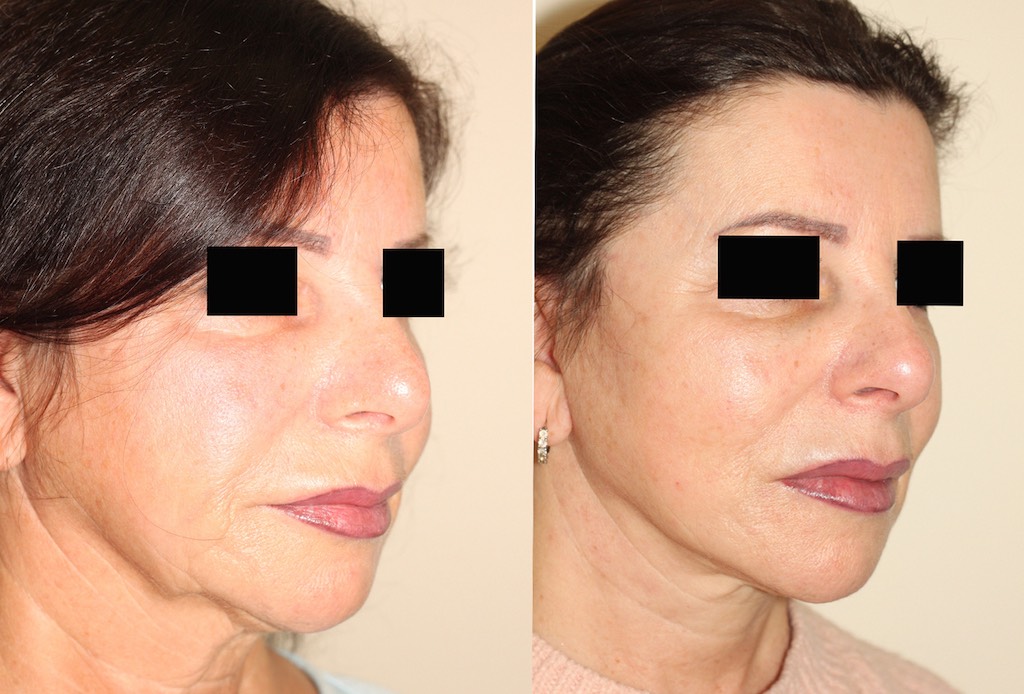
When jowls and neck laxity are severe, a Deep Plane or SMAS Facelift is the gold standard for structural tightening. This may be paired with Facial Liposuction to remove excess fat deposits under the chin and along the jawline. Once healed, dermal fillers can be added to the cheeks or temples to restore subtle volume lost over time, complementing the lift and ensuring a smooth transition across the entire face.
Profile Balancing
If a patient is concerned about a lack of definition, a Chin Implant (Mentoplasty) creates projection, which can enhance the jawline and make a prominent nose appear more proportional. This is often combined with Rhinoplasty for complete profile correction. Non-surgical Lipodissolve injections can also be used to permanently remove small, localized fat deposits under the chin for non-surgical contouring in suitable candidates.
The Art of Balance: Dr Denton’s Philosophy and Expertise
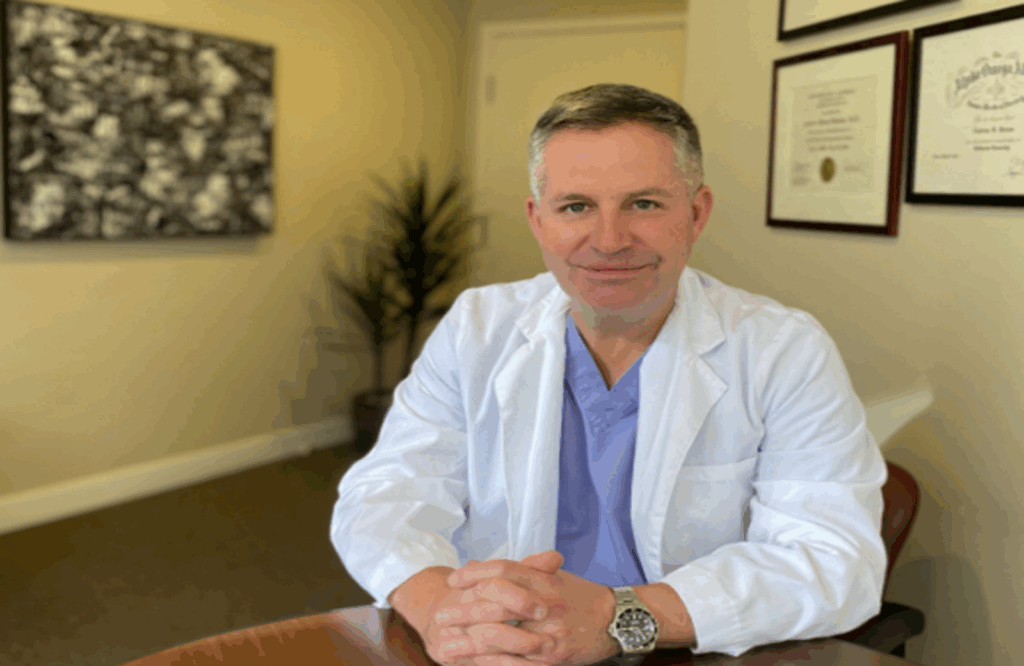
As a board-certified Facial Plastic Surgeon in Vancouver, Dr Denton has built his practice on a philosophy that prioritizes patient education, personalized care, and achieving aesthetically pleasing, natural outcomes.
Specialized Training and Experience
Choosing a surgeon with a deep understanding of facial anatomy is crucial, especially when planning complex combination procedures.
Exclusive Focus
Unlike general plastic surgeons who work across the entire body, Dr Denton specializes exclusively in the head and neck. This specialization, stemming from an otolaryngology residency followed by a Facial Plastic Surgery fellowship, provides a distinct level of expertise in the intricate structures of the face.
Extensive History
With over two decades of experience in cosmetic facial plastic procedures, he is committed to providing the most advanced surgical and non-surgical treatments available for facial rejuvenation.
Academic Leadership
Dr Denton’s roles as an Assistant Clinical Professor at the University of British Columbia and Medical Director of the West Coast Cosmetic Surgery Centre ensure he remains at the forefront of research and surgical resident education.
His aim is for the final result to be well-proportioned, youthful, rested, and, above all, natural – a look that allows your outward appearance to parallel your inward sense of health and vitality.
The Personalized Patient Journey: Consultation and Visualization
A successful outcome begins long before the procedure, rooted in thorough, unhurried discussions where you are empowered to make sound, informed decisions.
The Role of Computer Imaging
A cornerstone of our consultation process in Vancouver is the use of advanced computer imaging. This is a critical tool that benefits both the patient and the surgical team:
- Visualizing Anticipated Changes: Computer imaging allows proposed changes, whether surgical (like rhinoplasty or implants) or non-surgical, to be visualized in advance.
- Evaluating Facial Balance: You and Dr Denton can evaluate the effect of these proposed changes on your overall facial balance before committing to any procedure. This ensures the final result is harmonious with your existing features.
Patient as Equal Partner
Dr Denton’s philosophy centres on the belief that every patient is an equal member of the decision-making team. He takes the time to thoroughly discuss all available treatment options, benefits, and considerations related to your unique situation, needs, and expectations. This collaborative approach ensures that the final treatment plan truly aligns with your aesthetic goals.
A Coherent Vision for Lasting Beauty
The ageing process affects the face on multiple levels, requiring comprehensive solutions that are tailored precisely to your unique needs. By intelligently combining the foundational lifting power of surgical procedures like a deep plane facelift or targeted blepharoplasty with the detailing and maintenance provided by non-surgical treatments like Botox™ and dermal fillers, you can achieve long-term facial harmony.
In his Vancouver practice, Dr Denton utilizes expertise honed over two decades, modern minimally invasive techniques, and a deeply personalized approach, ensuring that your rejuvenated appearance is not only youthful and rested but seamlessly natural.
Ready to Achieve Your Long-Term Facial Harmony?
The most effective approach to facial rejuvenation is a personalized strategy that skillfully integrates both surgical and non-surgical treatments. If you are ready to explore how this balanced approach can help you look as young as you feel, schedule a confidential and unhurried consultation with Dr Denton at the West Coast Cosmetic Surgery Centre in Vancouver today! We are committed to helping you achieve lasting confidence and the truly natural results you desire.
Frequently Asked Questions (FAQs) About Combination Treatments
Q1. What surgical procedures are commonly combined?
It is very common to combine procedures to achieve a more comprehensive result with a single recovery period. Examples include combining a lower facelift with a neck lift, a brow lift with an eyelid lift (blepharoplasty), or rhinoplasty with a chin implant for profile balancing.
Q2. How soon after surgery can I have non-surgical treatments?
The timing depends on the specific procedures involved. Generally, I recommend waiting until most swelling has subsided and initial healing is complete before adding treatments like fillers or lasers. This typically means waiting three to six months after surgery, though some skin treatments may be appropriate sooner. We’ll discuss optimal timing for your specific treatment plan.
Q3. How long is the recovery time for combined procedures?
While combining major procedures might extend the initial recovery compared to a single, minor treatment, the goal is often to reduce overall cumulative downtime. For instance, a mini facelift recovery is typically one to two weeks, and eyelid surgery recovery is about one week. We prioritise minimising downtime by using advanced, minimally invasive techniques and twilight anaesthesia.
Q4. Can non-surgical treatments replace a facelift entirely?
Non-surgical treatments like dermal fillers (sometimes called a “Liquid Facelift”) are effective for restoring lost volume and treating minor sagging in individuals without significant skin excess or fatty deposits. However, they are generally not a substitute for a surgical facelift, which is necessary to permanently lift and remove excess skin and deeper tissues.
Q5. How does Dr Denton ensure natural results with combination treatment?
Achieving natural results relies on precision and aesthetic judgment. Dr Denton uses computer imaging during consultation to help patients visualise anticipated changes and ensure they complement their overall facial balance. Furthermore, his surgical background provides a unique, in-depth understanding of facial muscle function and anatomy for precise placement, whether surgical or non-surgical.
Q6. Are combined treatments more expensive than doing everything separately?
Often, combining treatments during a single surgical session can be more cost-effective than staging multiple separate procedures, as you save on facility fees and anaesthesia costs. When non-surgical treatments are added during the recovery period or for maintenance, the total investment may be higher initially, but often provides better long-term value than ongoing non-surgical treatments alone.
Q7. What if I’m not ready for surgery but want to improve my appearance?
Starting with non-surgical treatments is a perfectly valid approach. Many patients begin their rejuvenation journey with injectables, laser treatments, or other non-invasive procedures. This allows you to make gradual improvements while deciding if you want to pursue surgical options later. There’s no requirement to have surgery, and I’m happy to work with your comfort level.