For many years, you’ve likely spent time examining your profile in the mirror, wondering if a change to your nose—the central feature of your face—could bring a greater sense of confidence and balance to your overall appearance. The decision to undergo rhinoplasty, often called a nose job, is a significant personal choice. It is a commitment not just to a surgical procedure, but to the entire healing journey that follows.
As a facial plastic surgeon practicing in beautiful Vancouver, Dr Andrew B. Denton understands that timing is one of the most critical factors patients consider. While spring and summer might seem like the natural seasons for elective procedures, the cool, cozy climate of a Pacific Northwest winter offers distinct, powerful advantages for optimal rhinoplasty recovery. In fact, choosing the winter months for your surgery is one of the smartest decisions you can make for ensuring a smooth recovery and maximizing your final, natural-looking result.
We will explore the key considerations that lead patients to seek a nose job, how modern techniques can achieve transformative results, and why the colder, darker days of a Vancouver winter are, scientifically and practically, the absolute perfect time for your recovery, especially when minimizing sun exposure is paramount to healing.
Why People Consider Rhinoplasty
Rhinoplasty is consistently one of the most sought-after facial cosmetic procedures globally because the nose is a highly visible, central feature of the face. For many, dissatisfaction with their nose can lead to significant self-consciousness and a diminished sense of confidence. Patients often seek rhinoplasty because their nose seems disproportionate to their other facial features, or because they feel their appearance is thrown out of balance by specific nasal characteristics.
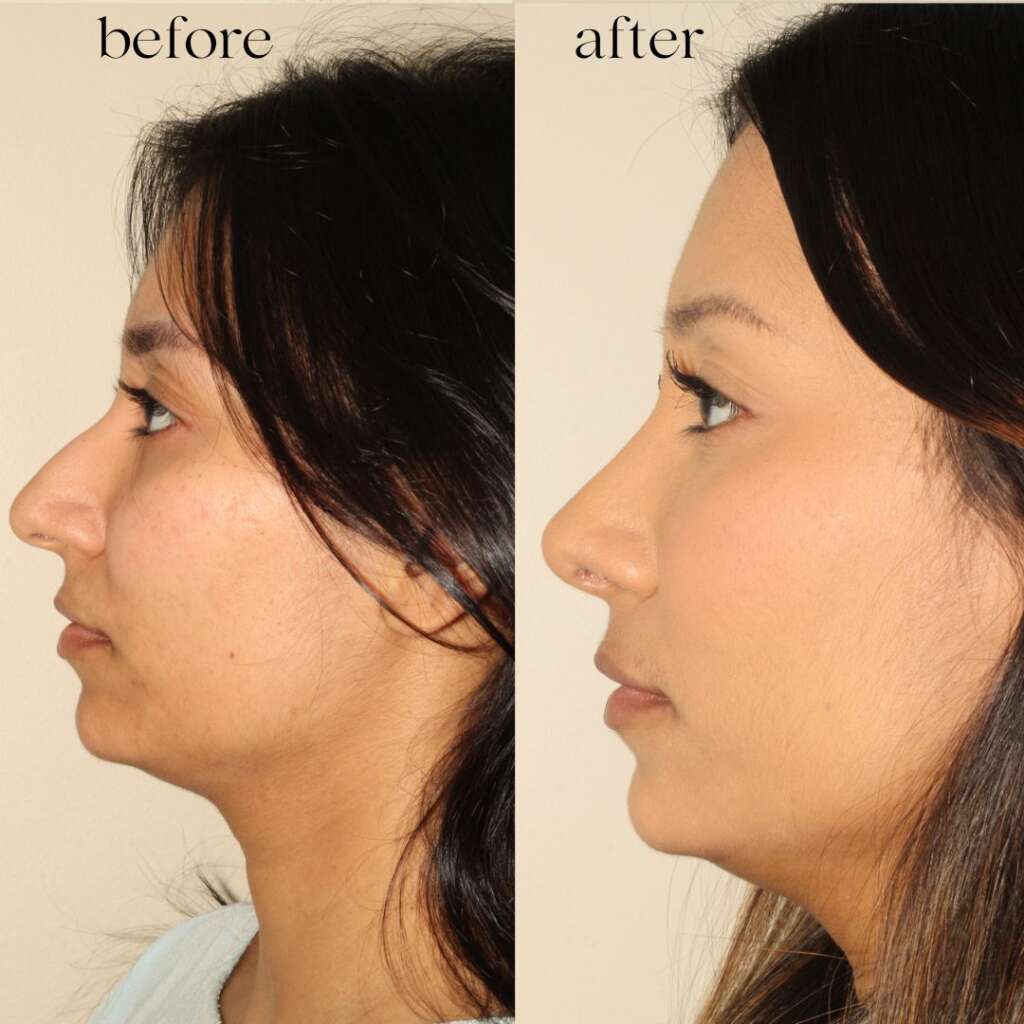
Common aesthetic concerns, or “pain points,” that bring patients to Dr Denton’s Vancouver clinic include:
- Prominent Features: Patients may feel they have excessively large noses, prominent humps, or a crooked appearance, often resulting from genetics or past injuries.
- Tip Concerns: A wide, flat, or bulbous nasal tip can detract from facial definition, leading many patients to seek refinement for a sharper look.
- Nostril Shape: Dissatisfaction with the size, width, or shape of the nostrils is common, sometimes involving nasal flaring that patients wish to reduce to create a more symmetrical appearance.
- Ethnic Considerations: For Asian patients, specific concerns often revolve around a lower nasal bridge or wider nostrils, necessitating a specialized approach focused on refinement and augmentation to enhance features while preserving ethnic identity and harmony.
- Functional Issues: Beyond aesthetics, many individuals suffer from chronic breathing difficulties, poor sleep, or congestion caused by structural issues like a deviated septum, making functional improvement a critical goal of surgery.
These issues, whether cosmetic or functional, often lead patients to pursue a rhinoplasty procedure in search of a look that will make them feel more comfortable and confident about their appearance for the rest of their lives.
Achieving Facial Harmony: How Rhinoplasty Delivers Results
Rhinoplasty aims to reshape the nose, whether by altering the bone, cartilage, skin, or a combination of these structures. Dr Denton’s goal has always been to create a nose that is in harmony with the rest of your face. This means that your new nose should be well-proportioned, natural-looking, and balanced.
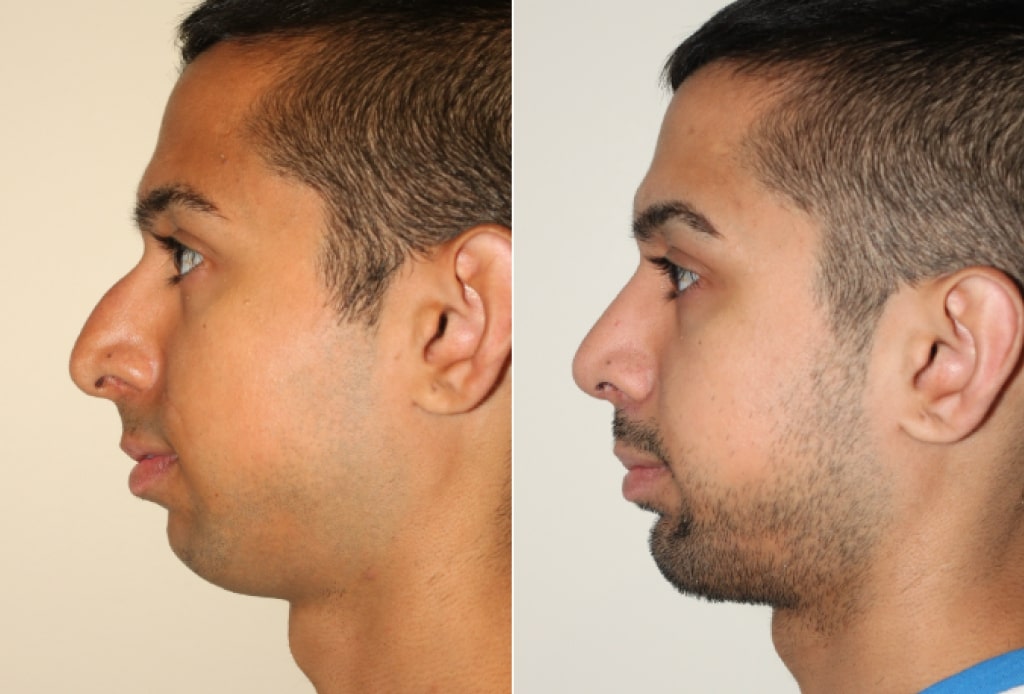
A successful rhinoplasty can significantly enhance self-confidence by providing structural improvements such as:
- Refinement of the Nasal Tip and Bridge: For those seeking definition, cartilage can be carefully reshaped, or grafts can be used to create a more refined and augmented tip and a higher nasal bridge.
- Improved Profile: By adjusting the size and shape of the nose, the overall profile is balanced, sometimes even reducing the appearance of other features, such as a prominent chin.
- Nostril Reduction: Techniques such as alar base narrowing (alarplasty) can reduce the look of nasal flaring or excessive width by manipulating the soft tissue of the lower nose, creating a narrower, more aesthetically pleasing contour.
- Functional Relief: Crucially, a qualified facial plastic surgeon can simultaneously address underlying respiratory issues, such as a deviated septum or issues with nasal valves, resulting in improved airflow and breathing.
When performed meticulously, rhinoplasty offers permanent results that enhance your natural features without looking artificial or “overdone.”
Why Sun Exposure Can Affect Rhinoplasty Recovery
If you are considering rhinoplasty, one of the most important recovery rules, and one that is often overlooked, is the absolute necessity of rigorous sun protection. During the initial months of healing, your nasal skin is vulnerable, and excessive sun exposure can jeopardize your final outcome in several ways.
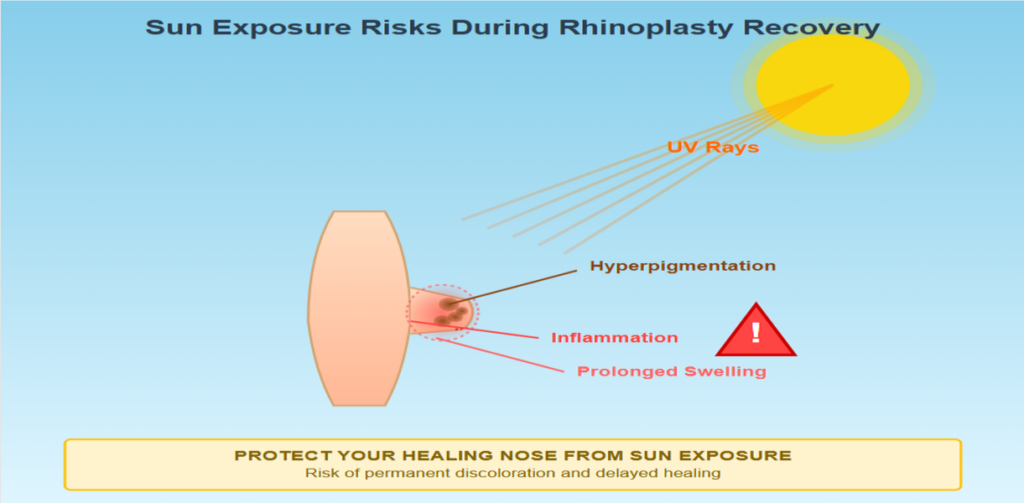
The Threat of Hyperpigmentation
The most immediate and visible danger is hyperpigmentation. Following surgery, the skin of the nose often experiences bruising and swelling. When this traumatized skin is exposed to UV radiation, it stimulates an overproduction of melanin, leading to dark, stubborn, and potentially permanent patches of discolouration. These spots, which can be challenging to treat once they develop, are a direct contradiction to the goal of achieving a clear, natural result.
Prolonged Swelling and Scarring
Sun exposure generates heat and inflammation. For a surgical site, increased inflammation means prolonged swelling. The final, crucial stages of rhinoplasty healing, where the subtle definition of the tip and bridge emerges, are highly dependent on swelling subsiding completely. Heat and UV rays can delay this process significantly. Furthermore, the sensitive incision sites, particularly with the open technique, must be shielded from the sun to ensure the most inconspicuous healing and minimize visible scarring.
The take-home message is clear: If you expose your healing nose to the sun, you risk permanent staining and a slower, less predictable recovery. This brings us directly to why winter is the unparalleled choice for surgery.
The Ideal Timing: Why Winter is Best for Rhinoplasty Recovery
The dreary, often overcast, and low-angle sun of a Vancouver winter is not a drawback for rhinoplasty patients; it is a profound advantage. When you schedule your nose job between late fall and early spring, you are strategically placing the most vulnerable phase of your recovery, the first six weeks, in the season where sun exposure is inherently minimal.
In the winter, the intensity of UV radiation in Vancouver is dramatically reduced compared to the long, bright days of summer. Furthermore, the habits we naturally adopt in winter provide built-in sun protection:
- Mandatory Layering: You are already wearing scarves, high-collared jackets, and hats, all of which offer perfect, discreet coverage for the face and nose without looking out of place.
- Indoor Lifestyle: We naturally spend more time indoors, working, reading, and recovering, away from accidental sun exposure. There is less temptation to attend long, sun-drenched patio lunches or spend a full day at the beach, which are recovery hazards in summer.
- Low Cloud Cover: The persistent cloud cover acts as a natural shield, although sunscreen remains important even on cloudy days.
Choosing winter means the natural environment of Vancouver is actively working with your recovery goals, rather than against them. You reduce the burden of constant vigilance required during a high-UV summer.
The Science of Swelling: How Cold Weather Helps Recovery
Beyond avoiding the sun, the physiological effects of cold weather are beneficial for post-operative swelling, a major component of rhinoplasty recovery.
Swelling, or edema, is a natural response to surgery. While it must be managed with proper post-operative care, including cold compresses and elevation, the ambient environment plays a role. The cooler temperatures of winter naturally contribute to vasoconstriction (the narrowing of blood vessels), which can help to reduce fluid accumulation and inflammation faster than in warmer months. While it’s subtle, this environmental assistance provides a minor, yet continuous, advantage in the early phase of healing when swelling is most noticeable. By the time spring and summer arrive, the most aggressive phase of swelling will be long past, and you will be ready to debut your new profile without the need for constant hats and heavy sunscreens.
Discreet Healing
The initial recovery period involves some swelling and bruising, particularly around the eyes and nose, which usually subsides gradually over the first two months. For most patients, approximately seven to ten days of downtime away from work is recommended for initial healing. By undergoing surgery in the winter, you can use the naturally quiet holiday period or simply the necessary time off to heal discreetly, often while wearing scarves or turtlenecks that naturally cover the initial bruising and swelling as you transition back into public life.
Dr Denton’s Expertise: The Foundation of Superior Rhinoplasty Results
As a board-certified Facial Plastic Surgeon with over two decades of focused experience, Dr Denton’s practice is dedicated exclusively to cosmetic and plastic surgery of the face and neck. This specialized focus, a key difference from general plastic surgeons who divide their practice among the body, breast, and face, ensures a deep understanding of the complex anatomy and aesthetics required for successful facial procedures like rhinoplasty.
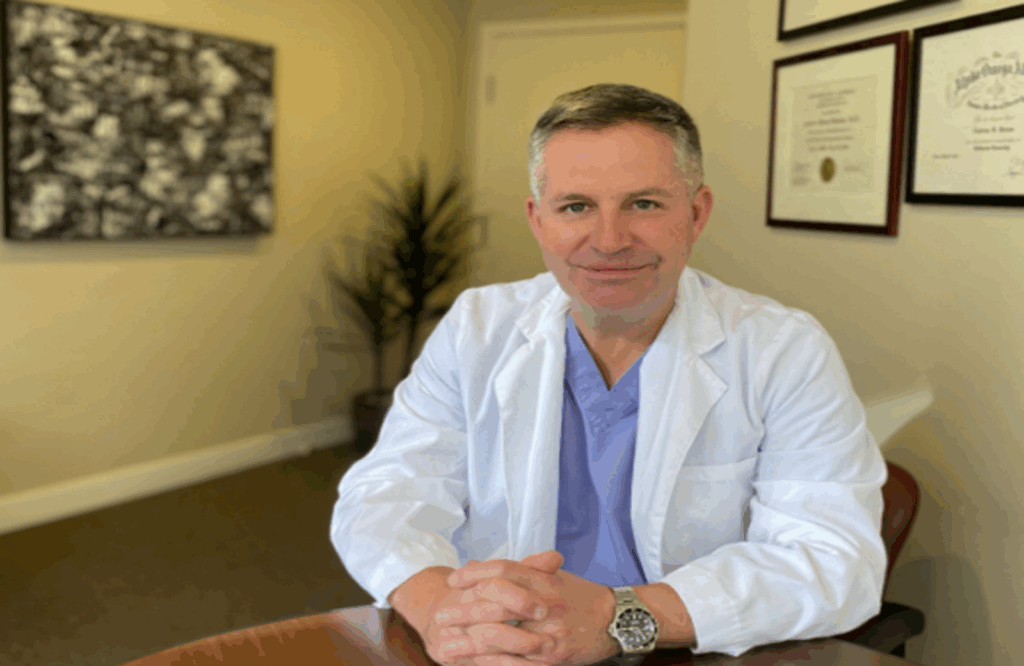
Dr Denton’s extensive qualifications include:
- Board Certification: Certification from the American Board of Facial Plastic and Reconstructive Surgery and the Royal College of Physicians and Surgeons of Canada (FRCS(C)).
- Advanced Training: He completed a specialized fellowship through the American Academy of Facial Plastic and Reconstructive Surgery at the University of California San Francisco, a region known for its diverse patient population.
- Academic Involvement: He maintains an active role as an Assistant Clinical Professor in the Department of Surgery at the University of British Columbia, participating in resident education and research, including published works on rhinoplasty.
His commitment is to ensure his patients are thoroughly informed of the most advanced and effective treatments available, aiming for an outcome that is natural, youthful, and well-proportioned.
Advanced Techniques: Maximizing Precision with Open Rhinoplasty
The success of a rhinoplasty relies heavily on the surgical technique employed. While there are two main approaches, open and closed, he relies almost exclusively on the Open Rhinoplasty technique for primary and revision cases.
The open technique involves making a small, discreet incision across the columella (the strip of tissue separating the nostrils), which allows me to lift the skin and gain enhanced visualization of the underlying nasal structures, including cartilage and bone.
This comprehensive access offers several critical advantages that lead to superior results:
- Enhanced Visualization: Clear visibility of the entire nasal framework allows for much greater precision and control during the surgery, which is vital given the nose’s complex structure.
- Meticulous Refinement: The open approach makes it easier to perform intricate adjustments to the nasal tip cartilage and ensure symmetry, which is a key factor in achieving a pleasing aesthetic outcome.
- Structural Correction: For complex issues like severe deviations or cases requiring cartilage grafting (often sourced from the septum or ear), the open method provides the necessary access for effective reconstruction and stable, predictable results.
- Fewer Revisions: Because the open technique allows for meticulous and accurate manipulation of the nasal structures, the likelihood of needing a revision procedure down the line is significantly reduced.
Furthermore, in cases where nostril refinement is needed, techniques such as the Weir wedges excision, nasal sill excision, or a combination of both can be employed to reduce nasal flaring and width, creating subtle contours and a naturally narrower appearance.
A Personalized Journey: Consultation and Computer Imaging
Choosing to undergo rhinoplasty is a major life decision, and my practice philosophy is built on treating every patient as an equal member of the decision-making team. Informed patients make the best decisions regarding their care.
Your rhinoplasty journey begins with a detailed, unhurried consultation. During this time, we thoroughly discuss your aesthetic goals, medical history, and specific concerns. This dialogue is fundamental to creating a customized treatment plan tailored specifically to your unique nasal structure and facial proportions.
A critical tool in this process is advanced computer imaging. By using a high-resolution digital photograph on our imaging computer, you can visualize the proposed changes and see firsthand how they are expected to affect your overall facial balance. This helps set realistic expectations, ensuring that the outcome we aim for aligns perfectly with your vision. This proactive visualization is essential for ensuring patient satisfaction with the final, life-long result.
Choosing the Right Rhinoplasty Surgeon in Vancouver
Selecting a qualified surgeon is perhaps the single most critical factor in achieving a safe and successful outcome from rhinoplasty. Given the visibility and complexity of the nose, precision and specialization are non-negotiable.
When researching a rhinoplasty surgeon in Vancouver, patients should prioritize the following key considerations:
- Specialized Certification: Look for a board-certified Facial Plastic Surgeon. These surgeons dedicate their training exclusively to the head and neck, offering a specialized level of expertise in facial anatomy, aesthetics, and respiratory function that general plastic surgeons may not possess.
- Rhinoplasty Experience: Verify the surgeon’s experience, focusing on the number of rhinoplasties performed and the overall years in practice. High-volume, focused experience, like Dr Denton’s two decades in cosmetic facial procedures, is a strong indicator of skill.
- Aesthetic Philosophy: Review the surgeon’s portfolio of before-and-after photos to ensure their aesthetic style, the outcomes they consistently achieve, aligns with your desired look for a natural, harmonious nose.
- Facility Accreditation: Confirm that the surgery will be performed in a fully accredited, state-of-the-art surgical facility, such as the West Coast Cosmetic Surgery Centre, which adheres to the highest standards of quality and patient safety.
- Focus on Communication and Planning: Choose a surgeon who emphasizes open communication, uses computer imaging for planning, and sets realistic expectations about what can be achieved, ensuring you feel completely knowledgeable and comfortable throughout the process.
Your Path to Confidence Starts Now
Rhinoplasty is an investment in yourself, capable of delivering permanent improvements in appearance and function that can significantly boost self-esteem. By planning your nose reshaping during the winter, you strategically minimize sun exposure risks during the crucial healing phase, ensuring a smoother recovery and optimal results. You can return to your life in the spring feeling refreshed, renewed, and confident in your enhanced appearance.
Don’t let another season pass wishing for a change. Schedule your confidential consultation with Dr Denton today to discuss your rhinoplasty goals. Call us at (604) 879-3223 or contact us online to take the first step toward achieving the balanced, natural-looking nose you deserve!
Frequently Asked Questions (FAQs) About Rhinoplasty
Q1. How long is the downtime after rhinoplasty surgery?
Generally, patients can expect to take about seven to ten days off work to allow for initial healing. During this time, swelling and bruising around the nose and eyes are common, but these symptoms can be managed with cold compresses during the first 48 hours.
Q2. When will I see the final results of my rhinoplasty?
While almost all major swelling subsides gradually over the first two months, the long-term healing process leading to the final appearance of the nose can take about one year for all residual swelling to fully resolve and the tissues to permanently settle.
Q3. Is rhinoplasty a painful procedure?
The procedure itself is performed comfortably under twilight anesthesia, meaning you sleep through the surgery and feel no pain. Any discomfort post-surgery is typically minimal and can be managed with prescribed or non-prescription pain medication.
Q4. Can breathing issues be corrected during cosmetic rhinoplasty?
Yes, rhinoplasty can address both aesthetic and functional concerns simultaneously. Structural problems like a severely deviated septum or nasal valve issues can often be corrected during the procedure to improve airflow and overall nasal function.
Q5 Will I have visible scars?
With the open rhinoplasty technique Dr Denton utilizes, the incision is placed on the underside of the columella (the tissue between the nostrils). When healed, this scar is typically minimal and barely noticeable. Incisions inside the nose for the closed portion dissolve on their own. Avoiding sun exposure, especially in the first year, is crucial for minimizing scar visibility.