DR. ANDREW DENTON · VANCOUVER FACIAL PLASTIC SURGERY
Your Brow Doesn’t Reflect Who You Are
Feeling tired, heavy, or older than you feel inside? The solution may be simpler or more lasting than you think. Here’s how to choose the path that’s right for you.
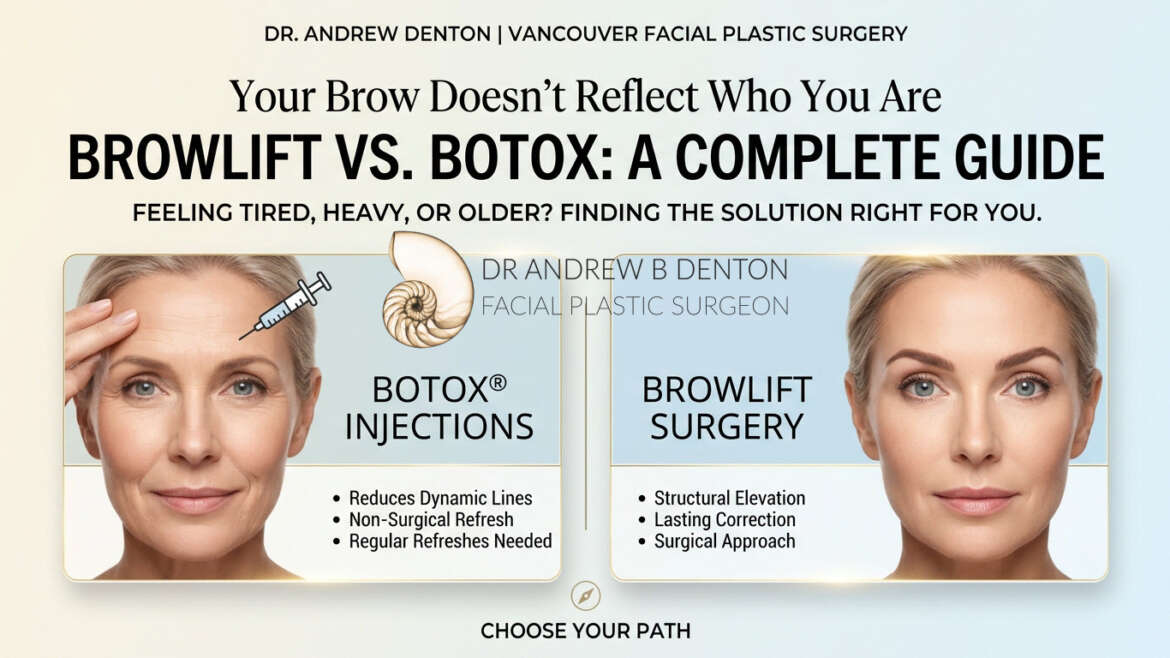
BROWLIFT VS. BOTOX — A COMPLETE GUIDE
Have you ever been told you look tired when you feel completely energised? Or asked if something’s wrong when you’re perfectly content? For many people in their 40s, 50s, and 60s, the forehead and brow are the first features to betray them and the consequences go far deeper than skin-deep.
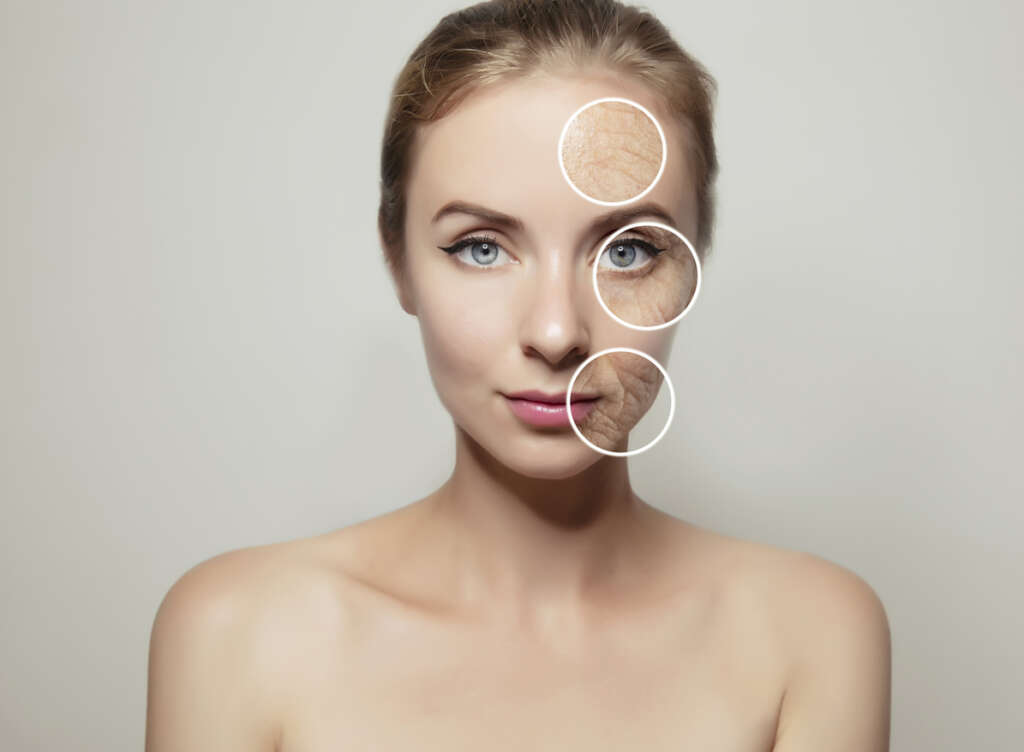
As collagen production slows and skin loses its elasticity, gravity begins its quiet, relentless work. The eyebrows gradually descend. Horizontal lines deepen with every expression. The outer corner of the eye gains a heavy, curtain-like hood. What starts as a barely-noticeable change accumulates, year by year, into a face that no longer reflects the person behind it.
The psychological impact is real. We live in a world that associates a bright, open brow with vitality, capability, and engagement. A heavy brow can quietly erode social confidence, affect how colleagues read your mood in a meeting, and create a persistent disconnect between how you feel and how you appear. That’s not vanity, it’s a legitimate quality-of-life concern.
The good news: there are effective solutions at every level of commitment. Whether you want a low-downtime monthly refresh or a lasting structural correction that turns back the clock by a decade, there’s a medically sound path forward. The challenge, and the purpose of this guide, is knowing which one is right for you.
What a Heavy Brow Actually Does to Your Face
A descending brow is rarely experienced as a single, obvious change. It tends to manifest as a cluster of overlapping signs that compound each other, each one worsening the overall effect. Understanding exactly what’s happening structurally helps you make a more informed decision about how to address it.
| Persistent Frown Lines The vertical glabellar lines between the brows deepen over years of repeated muscle contraction. Eventually, they’re visible even at rest, creating a permanently furrowed, ‘angry’ or ‘worried’ impression that has nothing to do with how you actually feel. | Heavy, Hooded Eyes What many patients first assume is excess eyelid skin is actually the brow itself descending. As the brow drops, it crowds the outer corner of the eye, creating lateral hooding, a curtain-like fold that visually closes the eye and makes it appear smaller and heavier. |
| Functional Vision Loss In more advanced cases, a severely drooping brow can exert physical pressure on the upper eyelid and meaningfully restrict peripheral vision. This can affect practical daily activities, including driving, reading, and using screens. | Deep Forehead Furrows As brow muscles work overtime to compensate for the weight bearing down on them, they contract repeatedly, etching horizontal lines across the forehead. Over time, these lines become static, present even when the face is completely relaxed. |
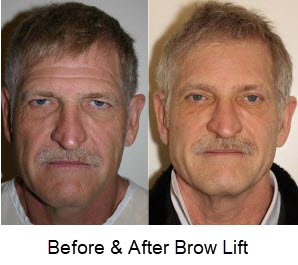
It’s also worth noting that these changes rarely exist in isolation. A heavy brow typically coincides with excess upper eyelid skin, deepening nasolabial folds, and changes in the mid-face, which is why Dr. Denton takes a holistic view of facial balance during consultation, not just a narrow focus on a single concern.
Botox: The Precision Refresh
Botox, botulinum toxin, is Canada’s most widely used non-surgical facial treatment, and for good reason. As a purified neuromodulator protein, it temporarily interrupts nerve signals to specifically targeted facial muscles. When those muscles relax, the skin above them smooths and in the right hands, the brow can lift subtly, naturally, and without a single incision.
For the forehead and upper face, Botox placed with precision in the glabellar and frontalis muscles can soften deep frown lines, reduce horizontal furrows, and achieve what’s commonly referred to as a ‘chemical browlift,’ a gentle elevation of the brow’s arch through strategic muscle relaxation rather than tissue repositioning.
What Botox does well
Botox excels at addressing dynamic wrinkles, the lines formed by repeated facial expressions. A well-placed treatment session takes under 30 minutes, requires no anaesthesia, and allows patients to return to their day immediately. Initial softening is typically visible within three to four days, with the full effect settling at around two weeks. For patients in the earlier stages of brow descent with good underlying skin quality, a well-timed Botox programme can maintain a refreshed, open appearance for years without any surgical intervention at all.
The honest trade-off
Botox is a muscle relaxant, not a tissue repositioner. It cannot lift skin that has genuinely descended, remove the laxity that accumulates over decades, or correct lateral hooding that originates from structural brow descent rather than muscle overactivity. For patients in this category, pursuing Botox alone tends to lead to a cycle of gradually increasing doses with diminishing returns. When the degree of descent is moderate to significant, the more honest and effective answer is surgery.
The Surgical Browlift: A Structural Solution
A browlift, also called a forehead lift, is a procedure that addresses the root cause of brow ageing: the structural descent of tissue itself. Rather than relaxing muscles or filling volume, it physically repositions the brow to a more youthful height and removes or redistributes the excess skin that has accumulated. The result is a genuine, lasting correction, not a softening of symptoms.
Surgical techniques in this space have advanced enormously over the past two decades. The large, hairline-crossing incisions of older methods have been replaced in most cases by endoscopic approaches that achieve superior, more natural results through a handful of tiny incisions hidden within the hairline.
“The goal is never to look like you’ve had surgery. It’s to look like yourself — rested, open, and as vital as you feel inside.” — Dr. Andrew Denton, Vancouver Facial Plastic Surgeon
Surgical Technique: What Dr. Denton Uses
| 01 Endoscopic Browlifting Using specialised telescopes and instruments, Dr. Denton achieves significant lifting through incisions typically under one centimetre, hidden within the hair. Scarring is minimal, recovery is faster than traditional methods, and the results are precise and long-lasting. | 02 Twilight Anaesthesia Most browlift procedures are performed under procedural sedation, not general anaesthesia. This eliminates common post-operative side effects like nausea and grogginess, supports a faster and more comfortable recovery, and is associated with a lower overall risk profile. |
| 03 Computer Imaging Before any decision is made, Dr. Denton uses advanced imaging software to show you a simulation of anticipated results. You can evaluate how a browlift will affect your overall facial balance, making the consultation a genuinely collaborative, informed process. | 04 Accredited Facility All procedures take place at the West Coast Cosmetic Surgery Centre, a private, fully accredited surgical suite in Vancouver’s medical corridor, staffed by qualified medical professionals throughout the pre-operative, operative, and recovery phases. |
What Recovery Actually Looks Like
Recovery from a modern endoscopic browlift is generally more straightforward than patients anticipate. The key is knowing what to expect at each stage and planning accordingly.
[24h] First 24–48 hours — Rest with your head elevated on at least two pillows to minimise swelling. A snug compression dressing is worn for the first day to reduce bruising. A dull headache is normal and fully manageable with prescribed medication. Most patients describe this phase as far more comfortable than they expected.
[7d] Days 3–7: The visible turn — Bruising and swelling begin to resolve noticeably by day four or five. Bending, heavy lifting, and straining should be avoided. Many patients feel comfortable working from home during this phase, though social outings may feel premature until bruising has settled further.
[10d] Days 10–14: Stitches out, work resumed — Surgical clips and sutures are removed between day ten and fourteen. The majority of patients are ready to return to professional duties at this point, looking refreshed rather than operated upon. Any residual swelling continues to settle quietly over the following weeks.
[2w+] Two weeks and beyond — Light exercise can be gradually reintroduced after two weeks, with activity increasing progressively. The final, fully settled result continues to refine over six to eight weeks as deep swelling resolves and then remains stable for seven to ten years or more.
Botox vs. Browlift: Side by Side
Neither option is universally superior. The right choice depends entirely on the degree of change you need, your tolerance for downtime, and how long you want your result to last. Here’s the honest comparison:
| Feature | Botox — Non-Surgical | Browlift — Surgical |
| Primary goal | Relaxes muscles to smooth dynamic wrinkles | Repositions tissue and removes excess skin |
| Downtime | None, return to work immediately | 7–14 days before returning to work |
| Duration | 3–4 months; regular top-ups required | 7–10+ years of lasting correction |
| Invasiveness | Injections only, no incisions | Surgical; twilight anaesthesia |
| Lifting power | Early ageing, dynamic wrinkles, good elasticity | Significant: repositions brow structure |
| Best suited for | Early aging, dynamic wrinkles, good elasticity | Moderate to severe sagging, skin laxity |
| Long-term cost | Ongoing investment every 3–4 months | Single investment lasting many years |
Preparing for a Browlift
Once you’ve decided that surgery is the right direction, physical preparation plays a meaningful and often underestimated role in the quality of your healing and the clarity of your final result. The following steps are standard practice; Dr. Denton’s team provides a complete, personalised pre-operative protocol at your consultation.
- Medical clearance: A blood test is required for patients over 50. Those over 60 will need an electrocardiogram to ensure cardiovascular safety prior to sedation.
- Stop smoking: Smoking must be ceased at least two weeks before and two weeks after surgery. Nicotine dramatically impairs circulation and wound healing. In fact, even passive exposure matters during this window.
- Medication review: Blood-thinning medications and supplements must be discontinued two weeks prior to surgery. This includes aspirin, ibuprofen, vitamin E, ginkgo biloba, and fish oil, all of which increase bruising risk.
- Nutrition and hydration: In the weeks leading up to surgery, prioritising protein intake, adequate hydration, and vitamins C and zinc supports the body’s tissue repair mechanisms and can meaningfully improve healing speed.
- Arrange support: You will need a responsible adult to drive you home post-procedure and remain with you for the first 24 hours. Planning this in advance removes a significant source of post-operative stress.
When One Procedure Isn’t Enough
A heavy brow rarely exists as an isolated concern. The descent of the forehead is part of a broader cascade of facial ageing that often affects the eyelids, cheeks, and neck simultaneously. Addressing only one area while leaving adjacent areas untreated can produce an ‘unbalanced’ result. For patients ready for a comprehensive transformation, combining procedures at the same operative session offers the most natural, harmonious outcome.
- Browlift + Blepharoplasty (eyelid lift): The most common pairing. Because brow descent directly contributes to upper eyelid hooding, correcting the brow without addressing the eyelid, or vice versa, often leaves half the story untold. Together, these procedures restore the entire upper third of the face.
- Browlift + Facelift: For patients experiencing significant mid-face or jowl descent alongside brow changes, combining these procedures ensures the rejuvenation is seamless from forehead to jawline rather than a patchwork of independently treated zones.
- Browlift + Neck lift: When laxity extends below the jaw, a neck lift restores the clean, defined profile that completes a comprehensive upper facial result, preventing the disconnection between a refreshed face and an ageing neck.
- Browlift + Injectable treatments: Even after surgery, strategic Botox and filler can extend and enhance results, maintaining muscle balance, restoring subtle volume, and prolonging the overall youthfulness of the outcome.
During your consultation, Dr. Denton uses advanced computer imaging to show you exactly how any combination of procedures will interact with your unique anatomy, giving you a realistic preview before any commitment is made.
Understanding Your Motivations
Before taking the step toward surgery, Dr. Denton strongly encourages a period of genuine self-reflection. The most consistently satisfied patients are those who pursue aesthetic surgery for themselves, not to meet someone else’s expectations, not in response to a comment, and not from a position of distress. The goal is alignment: bringing your external appearance into harmony with your internal sense of self.
Realistic expectations are equally essential. A browlift can turn back the clock by seven to ten years, but it does not stop time. Ageing continues after surgery, and the result will gradually evolve. What the procedure provides is a meaningful head start: a refreshed baseline that allows you to age from a more confident, open, and balanced foundation.
Why Specialisation Matters
Over 20 years of experience specialising exclusively in the head and neck. Unlike general plastic surgeons who operate across the entire body, Dr. Denton’s practice is dedicated solely to the complex, nuanced anatomy of the face. This bringing a depth of focused expertise that generalist training cannot replicate.
| 20+ YEARS OF FACIAL SURGERY EXPERIENCE | 100% HEAD & NECK FOCUS — NO OTHER BODY AREAS | FRCSC ROYAL COLLEGE BOARD CERTIFIED |
When the subject is the face, the most visible, emotionally resonant, and anatomically complex part of the human body, who performs your surgery matters enormously. The difference between a result that looks natural, balanced, and specifically yours, and one that looks operated upon, often comes down to the depth of a surgeon’s dedicated experience with facial anatomy alone.
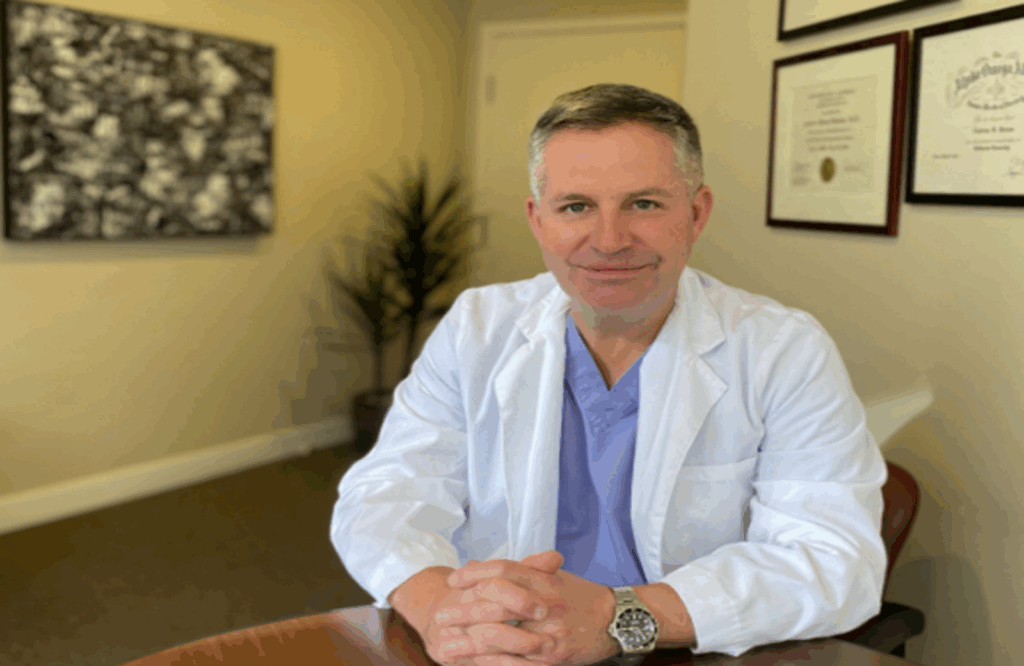
Dr. Denton’s philosophy is that the patient is an equal member of the decision-making team. Consultations are unhurried and confidential. Computer imaging is used to help you visualise changes before any commitment is made. No procedure is recommended unless it genuinely serves your goals, and no pressure is ever applied toward a more extensive treatment plan than you’re comfortable with.
Reclaim Your Youthful Profile Today
Whether you choose the quick rejuvenation of Botox or the enduring results of a surgical browlift, the goal is to help you look as refreshed and vital as you feel inside. By understanding your motivations and choosing a specialist who values your input as a team member, you can achieve a natural, harmonious result that will make you smile every time you look in the mirror.
Align your reflection with your vitality. Schedule your confidential consultation with Dr. Denton today! Call (604) 879-3223 or book online to begin your personalized journey toward a more confident you.
Your Questions, Answered
Can Botox alone fix my heavy, hooded eyelids?
Botox can provide a subtle lift by relaxing the muscles that pull the brow downward and for mild cases, this chemical browlift effect is genuinely effective. However, when hooding is caused by significant excess skin or meaningful brow descent, relaxing a muscle doesn’t move tissue back into place. In those cases, a surgical browlift or upper blepharoplasty, or both in combination, will deliver a result that Botox simply cannot achieve.
Will I have visible scars after a browlift?
Dr. Denton’s use of the endoscopic technique means incisions are typically only a few millimetres long and are placed within the hair or the natural creases of the scalp, where they are effectively invisible once healed. Most patients find their incision sites completely imperceptible within several months.
How do I know whether I’m a Botox or browlift candidate?
As a general framework, younger patients with early signs of ageing, dynamic wrinkles, and good skin elasticity are typically ideal for Botox. Patients with moderate to severe brow descent, visible skin laxity, or lateral hooding that a Botox chemical browlift hasn’t resolved generally achieve far more satisfying results with surgery.
Is a browlift painful?
Most patients are genuinely surprised by how manageable the post-operative experience is. There is typically very little pain. The most common complaint is a dull, pressure-like headache in the first 24 to 48 hours, which is easily controlled with prescribed medication. The use of twilight anaesthesia also means most patients wake up feeling calm and clear-headed.
How long will I need to take off work?
Botox patients return to work immediately. There is no meaningful downtime. For a surgical browlift, the practical answer is seven to ten days for most professional settings. Remote or work-from-home situations allow some patients to return earlier. Dr. Denton will give you a personalised estimate based on your specific procedure and occupation.
Is it worth combining a browlift with other procedures?
For many patients, yes. And the reasons are both aesthetic and practical. Aesthetically, combining a browlift with blepharoplasty or a facelift delivers more harmonious, natural results because the entire upper face is refreshed simultaneously. Practically, combining procedures means a single recovery period rather than two or three separate ones, reducing both total downtime and overall cost.